‘Resourceful and multitalented…her writing is stylish and lucid; and she is commendably unafraid to challenge orthodoxies.’ ‘Her book is a commanding debut.’
Edith Hall, The Times Literary Supplement
‘Very well-informed and properly revisionist as far as traditional assumptions.
The subject needs shaking up!’
T. P. Wiseman, Emeritus Professor, University of Exeter
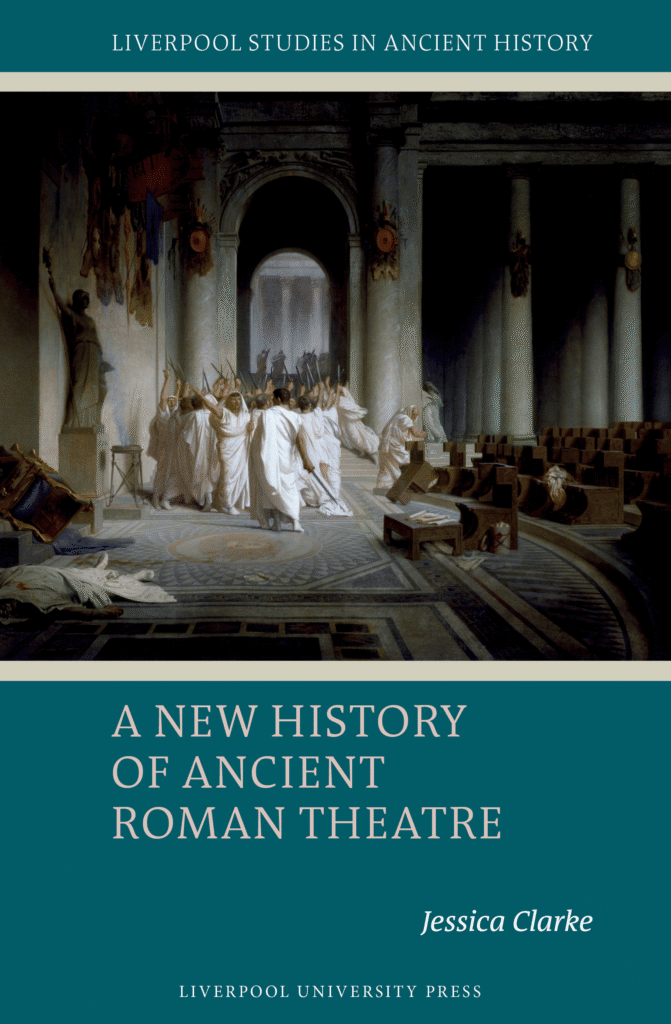
‘Roman theatre’ is a term often used to describe the theatre of ancient Italy during the second and third century BCE. Plautus and Terence are referred to as ‘Roman playwrights,’ and Rome itself is generally regarded as the driving force behind the development of theatrical culture in Italy. But was this early theatre in Italy specifically or characteristically Roman? Using previously marginalised archaeological source material and placing it in constructive dialogue with the surviving ancient literature, this book offers a significant reinterpretation of how theatre developed in the Italian peninsula, as well as a radical reappraisal of the role of Republican Rome as the impetus for cultural change. Challenging a long-held scholarly consensus, it is argued that whilst Rome would eventually rise to political and cultural dominance, the archaeological evidence does not encourage us to view Rome as a significant factor in the development of theatre in Italy until at least the end of the first century BCE and the construction of the Theatre of Pompey. Our attention is directed instead to other cities in the Italian peninsula during the third and second centuries BCE, which have hitherto been greatly overshadowed by imperialistic narratives of Roman cultural development.